

A Florida fisherman was killed by a nearly 12-foot alligator as rescuers battled more gators to recover his body.
Story Snapshot
- Officials say 71-year-old Steven Hamilton died after an alligator bit him while he fished from shore in Winter Garden.
- Rescuers faced multiple active alligators in the water during recovery operations.
- A nuisance trapper removed an alligator measuring 11 feet 8 inches from the area.
- State wildlife officers and local police launched a joint investigation.
What Happened At Dr. Bradford Memorial Park
Winter Garden police and fire crews responded to a 911 call around 5 p.m. at Dr. Bradford Memorial Park, near Lake Apopka. Officials said 71-year-old resident Steven Hamilton was fishing from the shoreline when an alligator bit him and pulled him into the water. Responders pronounced Hamilton dead at the scene after locating his body. The Florida Fish and Wildlife Conservation Commission said the man had been fishing, not swimming, when the attack happened, and confirmed his identity and the location.
Local officials described a fast-moving scene complicated by more than one alligator. The Winter Garden fire chief said additional gators were active in the water and slowed entry and recovery. Teams adjusted tactics to ensure safety for divers and shore crews. The body was recovered a short time later as police secured the park area. The Florida Fish and Wildlife Conservation Commission and Winter Garden Police Department opened a joint investigation into the attack and the response.
Removal Of A Nearly 12-Foot Alligator
The Florida Fish and Wildlife Conservation Commission reported that a contracted nuisance-alligator trapper removed a large alligator from the area around the park. Officials measured the animal at 11 feet 8 inches in length. Police described the animal as nearly 12 feet and said it posed a public-safety threat at the site. Reports did not include forensic proof linking that specific alligator to the fatal bite, but authorities acted to reduce immediate danger near the shoreline and connected waters.
Florida’s Statewide Nuisance Alligator Program focuses on public safety when a specific alligator is believed to be a threat to people, pets, or property. Concerned residents are encouraged to report dangerous animals through the state hotline so a licensed trapper can respond. The program allows removal when relocation is not safe or effective, especially near neighborhoods and parks that attract families, anglers, and joggers. The program’s clear priority is to protect human life in active-use areas.
Where The Attack Occurred And Why It Matters
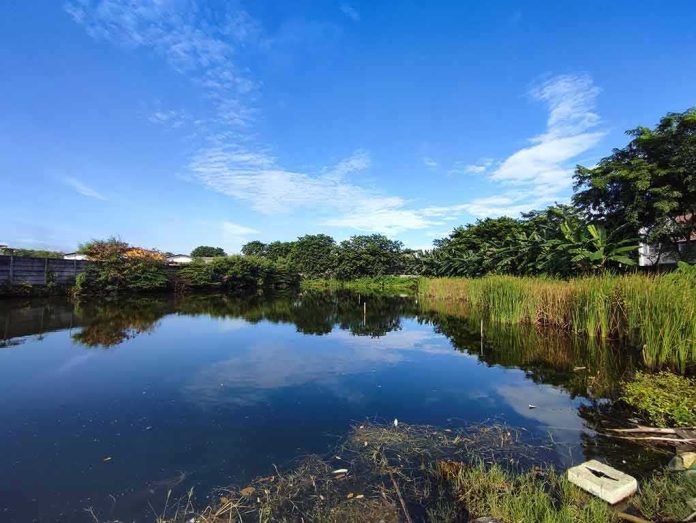
Officials and reports placed the incident at Dr. Bradford Memorial Park on the south side of Lake Apopka in Winter Garden. Some accounts described a connected retention pond, while others referred to the lake shoreline. Both settings are gator habitat, with murky edges, sudden drop-offs, and cover that lets large reptiles ambush prey. The distinction affects signage, park management rules, and which water body the trapper searched, but the core fact remains: the victim was fishing from land when he was bitten.
State data show these deadly attacks are rare but serious. Florida recorded about a dozen to two dozen alligator incidents per year in recent years, with only a small number fatal. Since 1948, the state has recorded nearly 500 human-alligator incidents and a few dozen deaths. The risk is low on any given day, but the danger rises near warm, shallow edges where fish, birds, and pets gather. Shore anglers often stand at those exact spots, which can draw bold, large gators.
Safety For Anglers, Families, And First Responders
Wildlife officers urge simple steps that save lives. Never feed alligators. Keep pets away from the water’s edge. Do not wade in murky shallows at dawn or dusk. Give any visible gator a wide berth. If a gator approaches repeatedly, back away and call the state hotline. First responders in this case had to manage multiple animals while trying to recover a neighbor’s body. That is a stark reminder: when seconds count, clear rules and fast reporting help protect both the public and rescuers.
A fishing trip turned fatal for a Florida man, 71, who was killed by a nearly 12-foot alligator along the shore of Lake Apopka in Winter Garden.
Emergency crews attempted to rescue the victim, but couldn't reach him because other alligators were also in the water, according to… pic.twitter.com/AMSAjhxqaR
— Fox News US (@FoxUSNews) October 18, 2026
Officials said the investigation continues. A medical examiner will determine formal cause of death. Police and the Florida Fish and Wildlife Conservation Commission will review 911 logs, witness accounts, and trapper documents. People who frequent ponds and park shorelines should check posted signs and stay alert, especially during warmer months. The bottom line for our community is simple: respect the habitat, report threats at once, and back the officers and trappers who keep our families safe.
Sources:
foxnews.com, wftv.com, nbcnews.com, people.com, nytimes.com, wdsu.com, news-journalonline.com, wesh.com, myfwc.com, fox5atlanta.com