

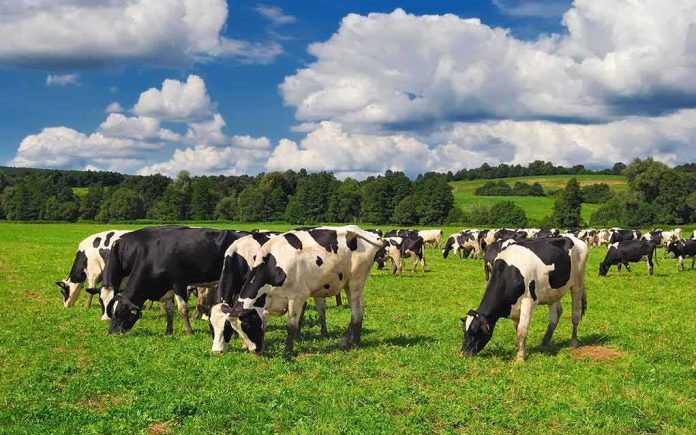
Washington state officials confirmed a resident died from H5N1 bird flu after exposure to infected dairy cattle, underscoring rising risks for frontline workers even as public risk stays low.
Story Snapshot
- Yakima County reported a resident died after H5N1 infection linked to infected dairy cattle.
- Health officials identified multiple human cases tied to cattle exposure during the local outbreak.
- Authorities say general public risk remains low; highest risk is for workers with direct animal contact.
- Officials warned against unpasteurized dairy products during the outbreak response.
What Officials Confirmed About The Death
Yakima Health District said a county resident was hospitalized with severe illness after contact with infected dairy cattle and died on November 1, 2026. The person had underlying health conditions. The Centers for Disease Control and Prevention identified the infection as H5N1. Officials did not release the patient’s name or age. They reported monitoring of contacts and said there was no sign of sustained human-to-human spread in the community at that time.
Washington’s Department of Health reported that the state confirmed H5N1 in dairy cattle in early October. Local reports tied the deceased person’s exposure to a dairy with infected cattle. County updates also described additional human infections among people who worked with infected herds. These details connect the human cases to the animal outbreak, rather than to community spread, which guided the county’s risk message.
Why Risk Is Highest For Workers, Not The Public
State and federal briefings said the general public’s risk is low because health departments have not documented sustained person-to-person spread. Officials stressed that the main danger is direct work around sick animals or contaminated environments. That is why they warned dairy workers and veterinarians to use protective gear. They also told consumers to avoid raw, unpasteurized milk, since pasteurization inactivates viruses in milk.
National tracking echoed the same split view: serious risk for people with close animal contact, low risk for others. Congressional research cited 57 U.S. human H5N1 cases in the current outbreak, most linked to exposure to dairy cattle or poultry. That pattern fits what Washington is seeing in Yakima County. It helps explain why one death can occur even while population risk stays low.
What This Means For Farms, Families, And Trust
For farm owners and workers, this death is a clear call to tighten safety. Health agencies advise gloves, eye protection, masks, and strict hygiene when handling sick animals or milk from infected herds. They also urge testing and quick care if workers develop symptoms after exposure. Families should buy pasteurized dairy products and keep away from raw milk during active outbreaks, which aligns with long-standing food safety rules.
"A Yakima County, Washington, resident hospitalized with severe avian influenza (H5N1) after exposure to infected dairy cattle died on November 1..
The death is the first from avian influenza reported in the US in 2026..
The Yakima Health District also confirmed a third human…— Hiroshi Yasuda (保田浩志) (@Yash25571056) November 3, 2026
For many Americans, this event feeds a wider worry: when crises hit, regular people often feel unprotected while leaders trade blame. The facts here are straightforward and sobering. A worker exposed to infected cattle got very sick and died. Multiple human cases link to the same farm risk. Yet health officials say the wider public is not in danger from routine daily life. Both ideas can be true at once—and both demand honest communication and practical help for those on the front line.
What To Watch Next
Local and federal teams will keep tracing contacts and testing people with exposure. They will keep sampling herds and tracking spread between farms. If lab teams release more genetic data, scientists can compare the virus in people and cattle to check for any changes tied to mammals. Health departments will update guidance if that science shifts. Until then, the most effective steps remain worker protection and strict avoidance of unpasteurized milk.
Sources:
washingtontimes.com, usnews.com, upi.com, cidrap.umn.edu, m.dailyadvent.com