

Philadelphia’s fight over a bike-led boycott of Jewish-owned restaurants turned city sidewalks into a test of where protest ends and discrimination begins.
Story Snapshot
- Organizers framed a boycott ride as anti-Zionist solidarity with Palestinians, not anti-Jewish targeting.
- A flyer’s blunt lines about “Zionist establishments” and the Kristallnacht eve timing fueled backlash.
- Elected officials condemned singling out Jewish-owned businesses as antisemitic and unacceptable.
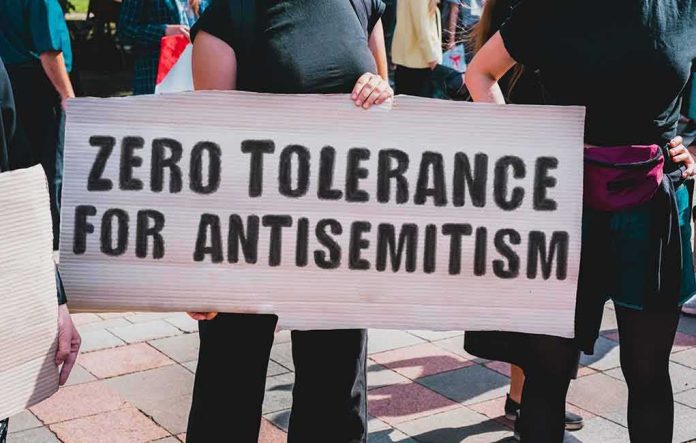
- Counterprotesters packed the streets and urged residents to “boycott the boycott”.
What Happened, Where It Escalated, and Why It Mattered
Pro-Palestinian organizers planned a bicycle “boycott ride” past six Rittenhouse-area restaurants. They said the targets’ owners supported Israel and that the action aimed at political conduct, not religion. The flyer named each business, which strengthened their claim of a directed political boycott. Yet bold phrases on the flyer—“No business for Zionists” and “These Zionist establishments must go”—shaped public reaction before a wheel turned. That language, paired with Jewish-owned targets, pulled the debate into an antisemitism fight.
City and state leaders weighed in fast. Philadelphia’s mayor said peaceful protest is protected, but singling out businesses because their owners are Jewish is unacceptable. The Pennsylvania Human Relations Commission condemned the plan and cited the flyer’s wording. Those statements framed the boycott for many residents: not as routine pressure over Israeli policy, but as a line-crossing campaign. That condemnation also emboldened counterprotesters and primed a “buycott” surge at the named restaurants.
The Street Picture: Two Crowds, Two Stories
Counterprotesters brought Israeli flags, signs against antisemitism, and open wallets. Lines formed at several targets, making the boycott look weak on impact. Supporters of the restaurants said the timing—on the eve of the Kristallnacht anniversary—made the message unmistakable. Kristallnacht included violence and destruction against Jewish businesses; many saw echoes they could not ignore. Some coverage described tense exchanges and at least one arrest around the event window, showing how fragile these scenes can become.
Organizers tried to narrow the focus. They called themselves anti-fascist and anti-Zionist, and said they opposed antisemitism. They argued they targeted owners for Israel-related support and donations, not their religion. One owner, Yehuda Sichel, linked his presence on the list to his fundraising for injured and traumatized Israeli children after the Oct. 7 attack, which tracks with the organizers’ stated criteria. The record, however, does not confirm the same level of proof for every target, leaving a gap their critics drove a truck through.
Lawful Protest or Illegal Targeting? The Standards at Stake
Political boycotts are a core American tool. Citizens use spending to speak. That principle should stand, even when the speech is unpopular. The trouble starts when a protest defines a protected group as a class to be economically shunned. The flyer’s language and the calendar choice undercut the organizers’ claim of narrow, policy-focused pressure. Common sense says if you want to protest a government, do not frame the day like a replay of history’s ugliest nights. That is not censorship; that is basic civic restraint.
BOYCOTT FAILS: PHILADELPHIA RESPONDS TO ANTISEMITES
On November 8, something happened in Philadelphia that organizers of an anti-Israel protest hardly expected. Instead of a massive boycott of Jewish-owned restaurants, they were met with a crowded demonstration of solidarity… pic.twitter.com/i40txIzJfs
— VSurrie (@Vsurryhne) November 9, 2026
The results also highlight what wins hearts in a free city. The clearest defense against ugly targeting is to show up, speak plainly, and support your neighbors. That is what many Philadelphians did. Officials drew a bright line against religious discrimination. Community groups urged people to eat at the named spots. The boycott’s main legacy so far is a lesson: tight language, clear evidence, and careful timing decide whether a protest persuades or just hardens the other side.
Sources:
foxnews.com, nbcphiladelphia.com, newsweek.com, okcfox.com, wdsu.com, 6abc.com, stljewishlight.org, whyy.org, edition.cnn.com, cnn.com