

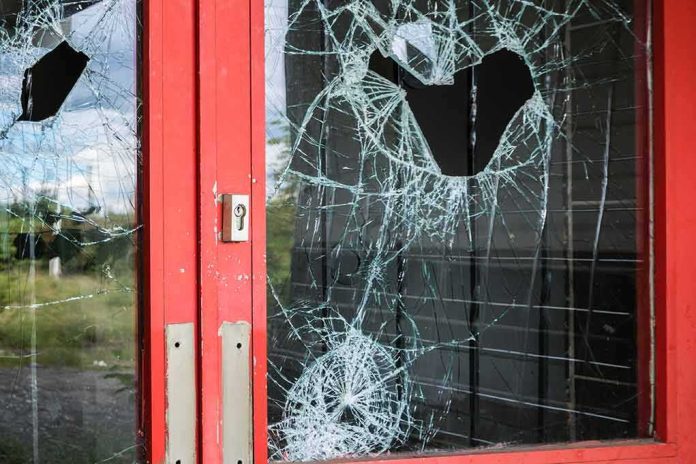
A handgun met a hurricane-impact window in Fort Lauderdale—and the glass won.
Story Snapshot
- Two suspects tried to force into an occupied home just after 6 p.m. on Oct. 19
- One suspect struck a window several times with what police described as a handgun
- The hurricane-impact window held firm and blocked entry
- Police asked the public to contact Detective B. Ledbetter with tips
Video Shows A Violent Entry Attempt Stopped By Strong Glass
Surveillance video from Fort Lauderdale captured two suspects approaching a home shortly after 6 p.m. on October 19. The clip shows one suspect in a black hooded sweatshirt and red pants hitting a front window with what police and media described as a handgun. After the blows failed, he threw his body into the glass. The window never gave way. Police and outlets called it a hurricane-impact window, and the footage backs that claim by outcome: no entry.
Fort Lauderdale police said both suspects fled after the failed breach. The department asked anyone who recognizes them to contact Detective B. Ledbetter by phone or email, signaling an active push for leads. That public appeal matters. It moves a viral clip into a real case file where citizen tips can help match clothes, gait, and habits to actual names and faces. The right call can close the loop and prevent the next attempt.
What Held: How Impact Windows Change A Break-In
Hurricane-impact windows pair laminated glass with strong framing. When struck, they may crack, but the layers and interlayer keep the pane intact. That buys time. Time is the enemy of burglars, who count seconds, not minutes. The Fort Lauderdale clip shows that math in practice. Blows land. The pane flexes. Entry stays blocked. That outcome tracks with how impact glazing is marketed for storm debris and forced-entry delay, especially on first-floor targets.
The broader lesson is simple and practical. Harden the first entry point, and you raise the cost of the crime. Strong glass, visible cameras, and lighting force crooks to make noise and take risk. Neighborhoods that stack these layers make quick hits less likely. This is not theory. It is the daily push and pull between easy targets and stubborn homes. The Fort Lauderdale window did not just stop glass breakage; it broke the suspects’ plan.
Where This Fits In America’s Burglary Picture
Burglary remains a major property crime, but national trendlines show declines in recent years. Data drawn from Federal Bureau of Investigation (FBI) reporting indicate burglary fell between 2023 and 2024. Florida compilations also show property crime easing, though coverage gaps in reporting mean exact counts can vary. The lesson is steady: broad crime rates can fall while single neighborhoods still face crews testing doors and windows as seasons change and daylight shrinks.
That tension explains why strong home design and common-sense habits matter. People can support local police by sharing useful footage and by hardening their homes. Cameras that cover faces, driveways, and approaches help detectives trace routes. Clear house numbers help patrols find the right spot fast. The Fort Lauderdale case now relies on that kind of help. One solid tip to Detective Ledbetter can turn a failed break-in into an arrest.
The Takeaway For Homeowners And Neighbors
Start with the weak spots burglars try first: ground-floor windows, sliders, and side doors. Lock them. Add laminated or impact-rated glass where you can. Back it with good locks, dowels on sliders, and screws that reach the stud. Put motion lights on blind corners. Aim at speed, not perfection. The goal is to make your home the wrong pick. The Fort Lauderdale suspects found out the hard way that loud, slow entry attempts draw attention and end plans.
He told police his name was Conner Rain. Sophie Rain says he thought they were married.
On Feb. 9, 2025, Sophie and her friends were at Super Bowl events. They had rented a house in Fort Lauderdale.
When they got back, the glass door was shattered and a stranger was inside.… pic.twitter.com/qYkZDumvro
— Klim (@0xKlim_) November 6, 2026
Public order rests on a simple truth that aligns with American conservative values and common sense: when communities back the police, secure their homes, and refuse to be soft targets, crime gets harder and rarer. Fort Lauderdale shows the model. Strong materials. Watchful neighbors. A clear police ask. If you recognize the clothing or walk in that video, make the call. If you do not, make your window the next one that will not budge.
Sources:
facebook.com, news.com.au, hoodline.com, unionpolicywire.com