

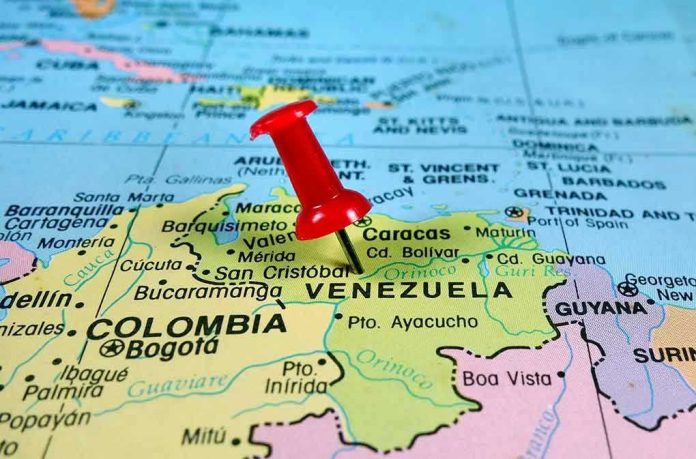
In a surprise visit to Caracas, Defense Secretary Pete Hegseth announced a U.S.-Venezuela military partnership that revives defense ties frozen for two decades and raises hard questions about power, sovereignty, and transparency.
Story Snapshot
- Hegseth and Acting President Delcy Rodríguez unveiled a defense deal in Caracas.
- The plan includes joint training, intelligence sharing, and defense equipment.
- Officials released no timeline, budget, or equipment list yet.
- The move follows reports that U.S. forces removed Nicolás Maduro in January.
What Was Announced in Caracas
Defense Secretary Pete Hegseth stood beside Acting President Delcy Rodríguez at the Miraflores palace on November 18, 2026. They said the United States and Venezuela would restart military cooperation after a long break. Hegseth described joint training, shared intelligence, and added equipment and capabilities. Both sides framed it as a renewed partnership with common security goals. Officials said the focus included foreign actors, drug groups, and criminals who threaten stability.
Officials also called the step a reset after more than 20 years of strain. Reporting traced the break back to 2005 under Hugo Chávez, when military ties were cut. Hegseth called the move a reestablishment of defense ties. Coverage said the plan includes modernizing forces and access to new technology for Venezuela. The event signaled a sharp turn from past hostility to open coordination, at least on paper, with promises of practical work to follow.
What Is Missing From the Deal
The governments did not release the full agreement text. They did not share the legal terms, duration, or enforcement rules. They also left out an implementation schedule, personnel numbers, and an equipment list. No budget or delivery commitments were made public. Without those details, the deal remains an announcement, not a proven program. That vacuum invites questions from all sides about cost, control, and measures of success over the next year.
The lack of specifics also fuels worry that the scope could grow. Leaders used broad phrases like foreign actors and criminals, which can mean many things. Clear targets, limits, and oversight were not described. Citizens in both countries have seen vague security missions expand before. People want guardrails and public metrics. Until there are published terms, regular briefings, and third-party checks, many will see risk of mission creep and hidden trade-offs in the arrangement.
The Shadow of January’s Operation
Reports said this deal arrived less than a year after United States forces removed Nicolás Maduro in a January operation. That timeline shapes how the public reads the partnership. Some see a practical reset to fight crime and protect borders. Others see a shift born from force, not consent. That split will persist until leaders explain how the new cooperation fits with that operation, and what rules and approvals guided both steps.
US War Secretary Pete Hegseth announced a military cooperation agreement with #Venezuela during his visit to Caracas, according to Venezuelan state television.#Hegseth described the agreement as the "reestablishment of our defense partnership" and said it opens room for the… pic.twitter.com/f4yXmJxAqY
— Al Mayadeen English (@MayadeenEnglish) November 18, 2026
A Congressional Research Service brief amplified those questions. It reported statements from President Trump about the United States running Venezuela during a transition and largely controlling oil through a future energy deal. It also noted that Delcy Rodríguez, then under United States sanctions, appeared willing to do what Washington saw as needed. Those records will push critics to ask whether security terms link to energy leverage or political control.
Why This Matters to Americans
Americans on the right and left worry that deals get made far from public view. They worry about money spent abroad while problems at home grow. This case hits those nerves. The White House says the plan targets cartels and border crime. That goal has support. But people want proof that joint patrols, training, and intel sharing reduce drugs here, not just headlines there. They also want open books on costs, equipment, and results, not blank checks.
Transparency can build trust across camps. Clear legal basis, published milestones, and public scorecards can show if this is real security work or another elite arrangement. Independent audits, human rights safeguards, and strict end-use monitoring for gear can prevent abuse. Regular updates to Congress and the public can limit mission creep. If leaders deliver those basics, support can grow. If not, this will look like policy made by and for the few.
What to Watch Next
Watch for the release of the signed agreement and annexes. Look for a calendar of joint drills, troop counts, and named sites. Track any arms-transfer notices, export licenses, and end-use checks. Monitor whether both governments publish shared procedures for intelligence and oversight. Finally, judge outcomes. Seizure data, border incident trends, and arrest records over six to twelve months will show if this partnership helps, or if it is only words.
Sources:
zerohedge.com, english.elpais.com, latimes.com, yahoo.com, miamiherald.com