

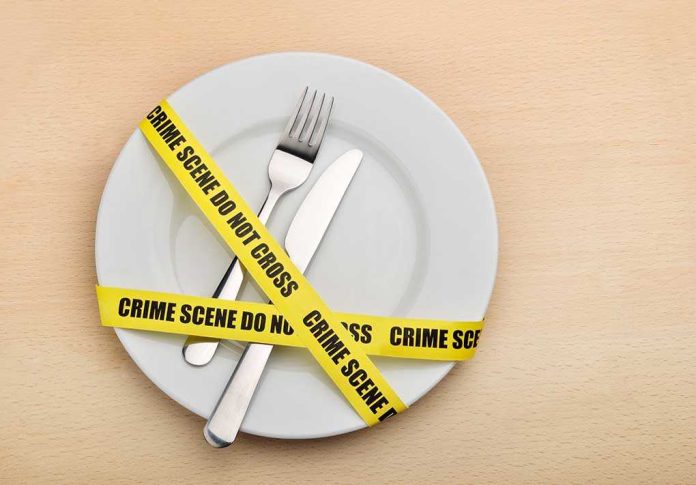
New Jersey restaurants face $2,500 fines for handing out a plastic fork without your explicit request, turning everyday takeout into a bureaucratic minefield.
Story Snapshot
- New Jersey bill prohibits automatic single-use plastic utensils and condiment packets in takeout, delivery, and dine-in orders.
- Customers must request items; bundled packs with multiple plastics are banned, and reusables are required for dine-in.
- Penalties escalate: warning first, then $1,000 second offense, $2,500 thereafter.
- Restaurants decry operational chaos and costs amid post-COVID takeout boom; lawmakers push waste reduction.
- Builds on 2022 plastic bag ban, sparking debate over government overreach versus environmental necessity.
Bill Targets Single-Use Plastics in Food Service
New Jersey legislators advanced a bill in 2024 that bars food-service businesses from automatically including single-use plastic utensils or condiment packets with orders. Customers request these items explicitly. Restaurants cannot bundle multiple plastic utensils or condiments together. Dine-in patrons receive reusable, washable utensils. This measure extends the state’s 2022 plastic bag and foam ban, one of the strictest nationwide.
Committee amendments refined the proposal during 2023-2024 sessions. Lawmakers emphasize waste reduction, noting utensils rarely recycle and litter waterways. Restaurant owners counter that busy operations risk fines for simple oversights, especially in high-volume takeout scenarios post-COVID.
Restaurant Owners Voice Strong Opposition
Independent eateries and chains testified against the bill, highlighting supply chain changes and staff retraining needs. Takeout-heavy spots integrated utensils into fulfillment; now point-of-sale systems require opt-in prompts. Small businesses face heaviest burdens without resources for reusable inventories or dishwashing upgrades. Critics label it a de facto plastic fork ban, ignoring customer habits where most requests go unmade.
Trade associations lobbied for exemptions, arguing penalties punish minor errors disproportionately. A second offense draws $1,000 fines; repeats hit $2,500. Owners worry inspectors target rushed kitchens, compounding inflation pressures on thin margins. Common sense demands flexibility for mom-and-pops, not one-size-fits-all mandates from Trenton.
Environmental Advocates Defend the Restrictions
Groups hail the bill as a nudge toward sustainability, preserving choice while curbing needless waste. New Jersey’s dense population and coastline amplify plastic pollution impacts on landfills and oceans. Precedents in California and Seattle show opt-in rules cut usage without catastrophe. Advocates predict long-term savings for restaurants buying fewer disposables.
Governor Phil Murphy’s office eyes it as environmental leadership. Yet facts reveal utensils comprise minor waste fractions compared to bags, already banned. Conservative values prioritize free enterprise; overregulation chokes small operators without proven marine gains justifying fines.
Enforcement and Economic Ripple Effects
State agencies issue warnings first, then enforce via inspections. Delivery platforms like Uber Eats may standardize no-utensil defaults, easing some compliance. High-volume ghost kitchens adapt slowest, risking customer backlash from forgotten requests. Coastal communities gain from less litter; low-income areas see no direct relief.
Suppliers shift to reusables, potentially hiking upfront costs. Nationwide, New Jersey’s push influences copycat bills, normalizing government dictates on daily choices. Restaurant testimony underscores real-world friction: a harried server slips a fork, business pays dearly. Pragmatism favors education over penalties, aligning with American self-reliance.
Sources:
N.J. moves to curb single-use utensils with new restaurant restrictions