

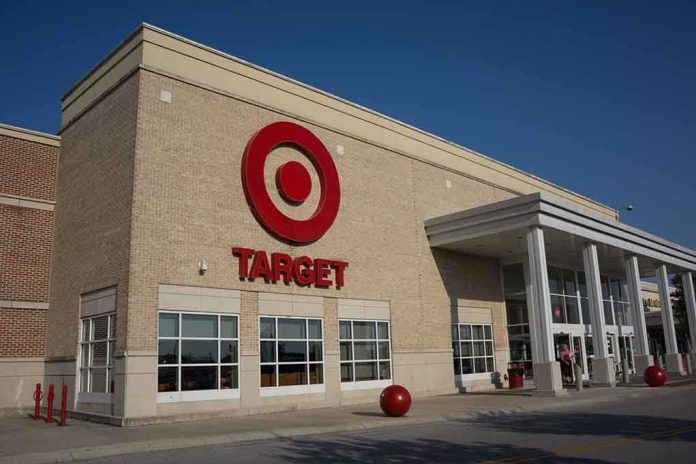
One Target shopper walked down a store aisle, checked the app, and exposed a pricing game that many retailers would rather you never notice.
Story Snapshot
- Target is phasing out long‑time price protections just as shoppers uncover app vs in‑store price gaps.
- One “frustrated customer” turned a simple aisle check into a viral corporate call‑out.
- Target still promotes “value,” but policy fine print now does more of the talking than its ads.
- Channel‑based pricing quietly shifts power from vigilant shoppers to corporate strategists.
How One Aisle Confrontation Exposed a Bigger Pricing Game
A Target customer at a local store noticed the kind of detail most people glaze over: the item in her cart rang higher at the shelf than on Target’s own app for the exact same store. The shopper grabbed screenshots, compared SKUs, and concluded this was not a one‑off error but a pattern that only penalizes people who do not constantly check their phones. Her post framed the practice as a “sneaky tactic” and blasted the assumption that “consumers are stupid.”
The clip fit perfectly into a growing genre of consumer‑advocacy content. An online outlet amplified it with a headline highlighting her frustration and accusation against Target’s pricing. The story hit a nerve because it confirmed what many shoppers already suspected: the real price often lives in the app, not on the shelf. Those who walk in, grab, and pay subsidize those who obsessively cross‑check. That is not illegal on its face, but it is the opposite of transparent.
Target’s Price Match Retreat And Why It Matters Now
The timing of this viral call‑out is not accidental. Target built goodwill in 2013 with its Price Match Guarantee, promising to match lower prices from major competitors and its own site for identical items. For years, that policy looked like a straightforward, pro‑consumer tool that aligned the shelf with the broader market. As inflation and online competition intensified, that guarantee reassured budget‑conscious families who wanted brick‑and‑mortar convenience without paying a “store tax.”
That era is ending. Target has now moved to eliminate competitor price matching entirely, limiting adjustments to prices found only within its own ecosystem, such as Target.com or another Target store. Corporate statements say guests “overwhelmingly” requested matches against Target, not rivals, so the company is merely “updating” the policy based on feedback. Conservative common sense reads that claim skeptically: when sales are down and margins are squeezed, a move that stops matching Amazon and Walmart looks less like customer service and more like quiet cost cutting.
Different Prices, Same Store, Same Item
Target’s help pages acknowledge that prices can differ between in‑store and online channels while still advertising a simplified, value‑focused experience. The official fix is clear: if shoppers find an identical item cheaper on Target.com or in the app, they can request a match at Guest Services within a set window. The burden, however, lies entirely on the shopper. You must catch the discrepancy, know the policy, stand in line, and argue the case while everyone behind you sighs.
Employees on Reddit and in media reports admit this setup puts them in a terrible spot. They must explain why a family pays one price at the shelf while the family standing five feet away, buying through the app for pickup, pays less for the same item at the same store. Workers warn that this dynamic makes it obvious that Target can charge more “based purely on how that item is purchased,” a fact that plays directly into the viral shopper’s accusation of “sneaky tactics.”
What This Means For Shoppers Who Still Believe in Fair Dealing
From an American conservative perspective, channel‑based pricing is a classic information asymmetry: the side with the data and algorithms wins unless the other side gets disciplined and informed. Current policy still lets determined shoppers match Target’s own lower prices within fourteen days, as long as items are identical and the lower price is live at the time. Families who take the time to scan barcodes, compare app listings, and ask for adjustments can still protect their wallets.
The real losers are the busy, the elderly, and those without constant digital access, who trust that the shelf reflects reality. Those customers end up paying more simply because they believed the sign. That may be smart short‑term strategy for a pressured retailer, but it corrodes long‑term trust. When the path to the best price runs through fine print and friction, shoppers rightly question whether a company still sees them as valued guests or as data points to be optimized.
Sources:
ABC News – Target to end longtime price-matching policy: What to know
New York Family – Target Ends Price Matching Policy
Target Help – Price Match Guarantee
Target Help – What is Target’s price match policy?