

U.S. prosecutors and allied intelligence say Iran-linked operatives discussed killing President Trump, while Tehran flatly denies it and the clearest public proof remains in court filings, not declassified spy files.
Story Snapshot
- Justice Department cases describe Iran-linked efforts to target Trump and other figures.
- Israel warned the United States of a fresh Iranian plot, according to reporting.
- Iran’s leaders publicly denied any plan to assassinate Trump.
- Public evidence is strong in court records but thin on declassified intelligence specifics.
What U.S. Cases Say About Alleged Plots
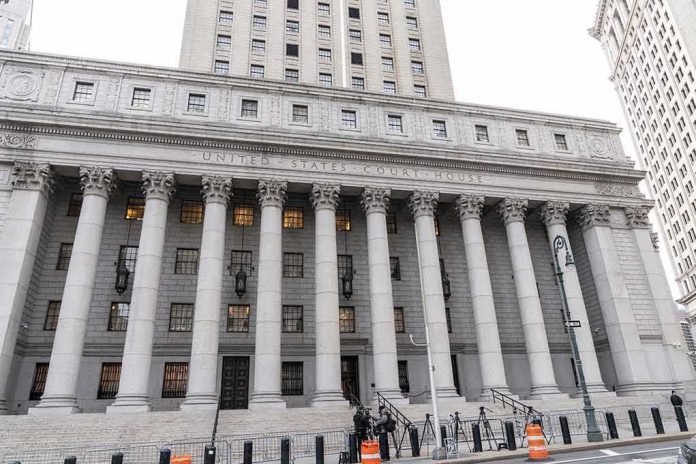
Justice Department filings and a jury verdict outline a core claim. Prosecutors say Iranian-linked actors sought political assassinations in the United States. In one case, jurors convicted Asif Merchant of murder for hire and attempting to commit terrorism that crossed national borders. The department said he admitted at trial that Iran’s Islamic Revolutionary Guard Corps sent him to the United States to arrange political killings and steal documents. These filings point to intent and outreach, not a completed attack.
Separate reporting summarized another complaint about Farhad Shakeri. Journalists wrote that charging papers said an Iranian Revolutionary Guard official told Shakeri to plan to surveil and kill Trump. They reported the instruction set a one-week deadline in early October, or else to pause the plan until after Election Day. These accounts come from unsealed papers and interviews described in news stories. They offer specific dates and orders, but the full complaint package is not public here.
Fresh Intelligence Warning And Security Response
Recent press reports say Israel warned the United States in July about a new Iranian scheme to kill Trump. Two sources told a major cable outlet that the United States had picked up weeks of related signals and then received a specific Israeli tip. They also said details were not clear and the United States had not yet vetted the Israeli report itself at that time. A national newspaper likewise reported Israel’s updated warning about a fresh plot.
These reports fit a pattern common in national security stories. First come criminal filings or arrests. Then come intelligence leaks and allied tips. Finally, public denials follow from the accused state. The most sensitive proof often stays classified, so the public sees actions and counters, not the raw evidence. That gap feeds worry on both the right and the left about whether insiders tell citizens the whole truth when threats involve elite officials.
Tehran’s Denial And Open Questions
Iranian officials reject the claims. The foreign ministry called the allegations malicious and denied any role in an armed attack on Trump. Denials do not end the matter. But they show that a high-level dispute is live and political. They also underscore what is still missing in public view. There is no declassified directive from top Iranian leaders. The newest warning relies on unnamed sources. The public has not seen the underlying intelligence.
Citizens hear two messages at once. Courts show Iran-linked actors reaching toward political violence. Intelligence claims point to an ongoing threat to the sitting president. Tehran says none of it is true. Many Americans, across parties, are left to trust people in charge while lacking documents to judge for themselves. That fuels a deeper fear that security decisions and public briefings serve the powerful first and the public last.
Why This Matters Beyond Partisan Lines
Americans from both sides see a larger pattern. Leaders cite threats to justify secret moves, while details stay hidden. When threats target a president, scrutiny grows even tougher. The result is a cycle. Agencies issue warnings. Allies share tips. Officials speak in broad terms. Critics cry politics. Supporters demand action. And the public is told to accept it on faith. That is not a stable way to run a republic built on informed consent.
What To Watch Next
Watch for concrete records, not chatter. Key tests include release of full unsealed complaints and any affidavits behind them. Trial transcripts and exhibits can show who ordered what, when, and how. Declassification of the July intelligence would help the public weigh the Israeli tip and any U.S. follow-up. Until more proof is public, the clearest verified pieces remain the court conviction of Merchant and the documented Justice Department account of Iran-linked intent.
Sources:
nytimes.com, politico.com, justice.gov, youtube.com, cbsnews.com