

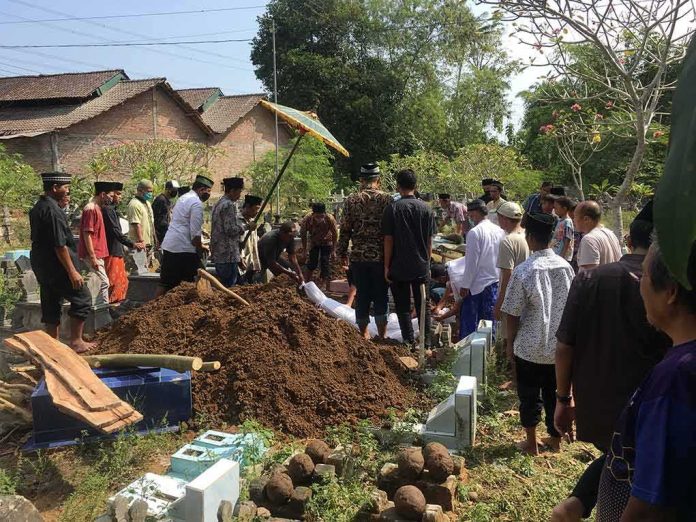
Nepal began burying unidentified flood victims after preserving DNA as the official death toll climbed sharply and thousands remained missing.
Story Snapshot
- Officials reported hundreds dead and more than two thousand missing as rescues continued.
- Authorities collected DNA from unidentified bodies before burial to allow later exhumation and naming.
- Chitwan district selected Devghat as a burial site and logged grave locations for future recovery.
- Limited morgue space and health risks from decomposition drove the emergency burial plan.
Rapidly Rising Toll And Ongoing Search
Nepal’s disaster ministry figures showed a fast-rising death count across several days as crews reached remote valleys. Police reported 469 dead by August 28, up from 95 earlier in the week, with the total later approaching 800 as more bodies were found and families filed reports of missing loved ones. Reporters said more than 2,500 people remained unaccounted for, underscoring the scale of the search. Officials warned numbers could change as rescues and recoveries continue across affected districts.
Rescue teams, police, and local volunteers worked along washed-out roads and riverbeds to locate survivors and recover remains. Heavy debris and unstable ground slowed access to hard-hit areas. Crews used boats, bulldozers, and hand tools to reach hamlets cut off by landslides. Authorities also coordinated with hospitals to manage injuries and with relief groups to deliver food, water, and shelter. The pace of operations reflected the vast area and steep terrain, which often turned short distances into day-long efforts.
Why Emergency Burials Began In Chitwan
Chitwan officials faced more bodies than local morgues could hold, with decomposition raising health risks after days in summer heat. Leaders in the district moved to bury unidentified victims to protect public health while preserving evidence for later identification. Reports said 96 bodies were buried on one day, with more planned as recoveries continued. The decision balanced urgent sanitation needs with family rights to claim and honor their dead when names are confirmed.
The Chitwan District Security Committee chose an open public site in Devghat, within Bharatpur Metropolitan City-1, for the burials. Officials recorded precise grave locations and used markers above and below ground for each body. The committee worked under procedures for unidentified and unclaimed remains and coordinated with police and forensic teams. The process aimed to create a clear chain of custody so families could request exhumation once DNA or other data produced a match.
DNA Collection And Forensic Safeguards
Police and forensic staff took DNA from bodies that could not be identified through visual checks or personal items. Each set of remains received a unique identifier linked to sample records and grave coordinates. The plan aligned with common disaster victim identification practice, which relies on preserving postmortem data so it can be matched to family records. India sent specialists to assist with analysis, expanding lab capacity as samples moved through intake and cataloging steps.
Chitwan’s Devghat forest is being used for mass burials after the August 26 flash floods in Nepal. Authorities have buried 96 unidentified bodies and are collecting DNA samples to help families identify victims later.
VOICEOVER: Suha Nisviya S A
PRODUCER: Lavanya R
VIDEO… pic.twitter.com/mdctZGRgl3— The Federal (@TheFederal_News) August 31, 2026
Officials emphasized that burial now does not end the identification process. Marked graves can be reopened when a name is confirmed. Families can provide information and samples to help build matches. This approach mirrors guidance used after many mass-fatality events, where cooling and storage are scarce and terrain is rough. The goal is to honor cultural needs later while preventing disease and keeping solid records today, even as search and rescue teams continue their work.
Sources:
youtube.com, khaleejtimes.com, thejournal.ie, english.news.cn