

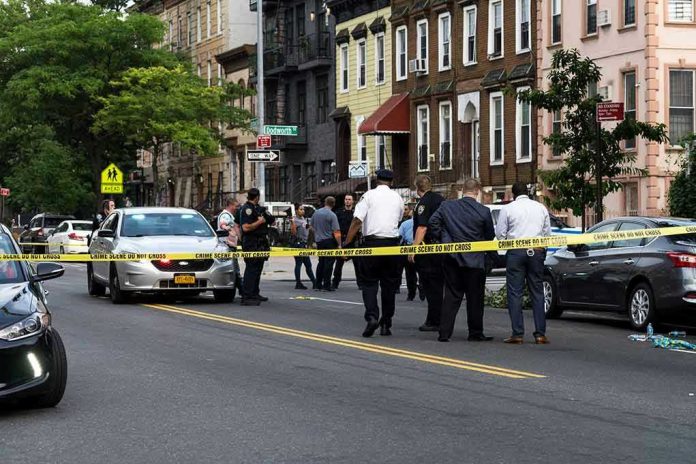
A Washington, D.C., overdose scene that left one person dead also exposed how fast early numbers can shift before facts are confirmed.
Quick Take
- Police said officers responded to multiple unconscious people on H Street NE around 1:45 p.m. on June 25, 2026.
- One person died at the scene, and five others were evaluated for suspected overdoses after first responders arrived.
- Police used Narcan on five unconscious people, but officials have not said what substance caused the emergency.
- Early reports said seven people were evaluated, then police corrected that figure to five.
What Police Said Happened
The Metropolitan Police Department said First District officers were called to the 900 to 1400 block of H Street NE after reports of multiple unconscious people. Responding officers found five people, three men and two women, who were treated at the scene for suspected overdoses. One of those five was taken to a hospital for more care, while a sixth person was found unconscious and not breathing and was pronounced dead at the scene.
DC News Now reported that officers administered Narcan to the five unconscious people and that the person who died had not been identified. WJLA later said police corrected the original count, which had listed seven people evaluated instead of five. That kind of change matters because overdose scenes move quickly, and early releases often go out before the full picture is clear.
Why the Correction Matters
The corrected count shows why readers should treat first reports with care, especially in overdose cases where rescue teams are still working and details are incomplete. WJLA said it was still unclear what substance may have caused the incident, and the investigation remained open. Without toxicology results, the case does not prove fentanyl or any other drug was involved in this specific event.
That distinction is important in a city that has battled overdose deaths for years. Washington’s larger drug crisis is real, but this June 25 case is still a live investigation, not a finished medical finding. The police response showed urgency and quick action, yet the missing lab data leaves room for confusion when headlines run ahead of evidence.
What This Says About D.C.’s Drug Crisis
The broader pattern still points to a hard truth for families and neighborhoods in the District: overdose emergencies remain part of daily life. D.C. health data covers fatal and non-fatal overdose incidents across 2021 through 2026, which shows the city is tracking a long-running problem rather than a one-day event. The June 25 scene fits that larger crisis, even if the exact drug has not been confirmed.
Public trust also takes a hit when social posts and early headlines repeat the wrong number before corrections catch up. In this case, some outlets and social accounts pushed the first count, then the police update changed the record. For readers who want honest reporting, the lesson is simple: wait for confirmed facts before turning a tragedy into a political slogan.
Sources:
townhall.com, wjla.com, dcnewsnow.com, x.com, dailydispatch.com, facebook.com, wusa9.com