

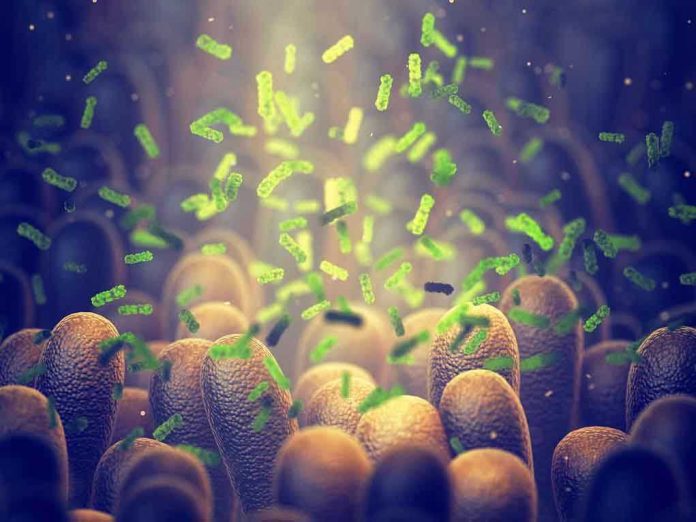
Scientists at the University of Missouri have engineered genetically modified algae that removes over 90% of microplastics from water, including nanoscale particles invisible to conventional treatment systems.
Story Snapshot
- Lab-grown algae eliminates more than 90% of microplastics through engineered limonene production that clumps plastic particles
- Technology targets integration into existing wastewater treatment plants for multi-pollutant removal without infrastructure overhaul
- Captured microplastics can be upcycled into bioplastics, transforming waste into valuable materials
- Research remains in early-stage prototype phase with field-scale effectiveness and regulatory approval still unproven
Bioengineered Solution Tackles Invisible Pollution
Professor Susie Dai at the University of Missouri’s Bond Life Sciences Center developed algae strains genetically modified to produce limonene, a naturally occurring compound that grants hydrophobic properties. This engineering enables the algae to attract and clump microplastics in wastewater through controlled bioreactors. Published in Nature Communications in December 2025, the peer-reviewed research demonstrates removal rates exceeding 90% for particles smaller than five millimeters, including nanoplastics under one micrometer that evade conventional filtration systems. The approach addresses a critical gap: existing wastewater plants remove between 0.01% and 99% of microplastics but consistently fail against the tiniest particles now documented at 240,000 pieces per liter in some bottled water samples.
Multi-Functional Design Targets Three Pollution Streams
Dai’s algae system simultaneously removes microplastics, absorbs excess nutrients like nitrogen and phosphorus, and captures carbon dioxide from surrounding water. This triple-action design positions the technology as a cost-effective upgrade for municipal wastewater facilities facing increasing regulatory pressure on multiple pollutants. The researcher envisions integration into existing treatment infrastructure rather than construction of standalone facilities, reducing capital costs while expanding pollution control capacity. Early 2026 prototype scaling moved beyond 100-liter bioreactor units nicknamed “Shrek” toward field trial preparations. Unlike physical filters requiring frequent replacement or energy-intensive boiling methods, living algae colonies self-replicate and maintain removal effectiveness through biological processes rather than mechanical intervention.
From Lab Success to Real-World Questions
Laboratory demonstrations confirm the algae thrives in wastewater conditions while maintaining high removal rates, but commercial deployment faces unresolved challenges. No municipal wastewater plants have adopted the technology as of mid-2026, leaving field-scale efficiency unproven. Genetic modification regulatory approvals remain unclear, particularly for controlled release in open water bodies that Dai suggests as potential deployment sites with supplemental CO2 and nutrient inputs. The researcher emphasizes containment within bioreactors to prevent environmental algae proliferation, yet scalability depends on transitioning from controlled lab settings to variable real-world conditions. Environmental reporter Kate Grumke notes the technology “excels at tiniest pieces” but cautions its early-stage status against premature expectations of widespread water system transformation.
Upcycling Pathway Addresses Circular Economy Concerns
Captured microplastics clumped by algae form recyclable sludge that Dai’s team processes into bioplastics, creating economic value from pollution. This upcycling component differentiates the approach from disposal-focused filtration systems that generate contaminated waste requiring landfill treatment. The bioplastics market projected to exceed $10 billion by 2030 offers potential revenue streams for wastewater facilities adopting the technology, offsetting operational costs through material sales. However, the viability of bioplastic production at municipal scale remains untested, with no partnerships between Dai’s team and commercial bioplastic manufacturers publicly announced. The concept aligns with circular economy principles increasingly popular among policymakers, yet transitions from laboratory demonstration to industrial production historically encounter unforeseen technical and economic obstacles that derail promising innovations.
Scientists say this algae
could remove microplastics
from drinking water!#wtpEarth 🌎
https://t.co/QiDKQIQ2rP— Groovy🍊 Florida Democrat #wesaynokings (@GroovyChic1960s) May 12, 2026
Americans across the political spectrum recognize microplastic contamination as a consequence of decades of inadequate pollution oversight and corporate externalization of environmental costs onto citizens. Whether this bioengineered algae solution represents genuine progress or another incremental academic exercise depends on factors beyond scientific merit—regulatory frameworks shaped by industry lobbying, municipal budget constraints from years of infrastructure neglect, and public willingness to embrace genetic modification in water systems. The technology offers promise, but widespread implementation requires political will that federal and state governments have repeatedly failed to demonstrate when corporate interests face compliance costs.
Sources:
This Algae Could One Day Pull Microplastics out of Your Drinking Water – SciTechDaily
Can algae help pull microplastics out of our water supply? – Science Friday
A Simple Two-Step Process Can Remove Microplastics From Drinking Water – Discover Magazine
Removing Microplastics from Water – Seven Seas Water
Microplastic Removal by Algae – PMC
Filtering Out Microplastics – Plastic Free MKE