

Russia’s overnight barrage that pounded Odesa is being sold as “retaliation” for deadly drone raids on Moscow—but the public record shows timing, not proof of intent, while civilians again paid the price [5][1].
Story Highlights
- Russian strikes hit Odesa amid claims of payback after Ukrainian drones killed four in Moscow [5].
- Reports document deaths, injuries, and damage to homes, schools, and medical sites in Odesa [1][5].
- Independent confirmation shows large-scale attacks across multiple Ukrainian cities [5].
- No direct Russian government statement tying Odesa to Moscow raids appears in provided sources [5][1].
Overnight Strikes And The Retaliation Narrative
France 24 reported Russia launched hundreds of drones and nearly two dozen missiles overnight, striking multiple Ukrainian cities including Odesa, after Ukraine carried out its largest overnight drone attack on Moscow in more than a year that killed four people [5]. That sequencing lets Moscow frame its strikes as reciprocal escalation. However, the provided materials include no quoted Kremlin or Defense Ministry statement explicitly linking the Odesa strike to the Moscow incident, leaving the retaliation claim grounded mainly in chronology rather than documented intent [5].
Euronews and other outlets described the Odesa attack as part of a broader overnight assault, with separate reports noting fatalities and more than a dozen injured in the city [1]. Additional reporting described a massive drone attack on Odesa days later that killed two women and injured at least 14, including children, reinforcing the picture of sustained pressure against the city across late April [3]. Together, these accounts substantiate significant Russian strike capacity and activity while undercutting any portrayal of a narrowly tailored reprisal [1][3].
Documented Civilian Harm And Infrastructure Damage
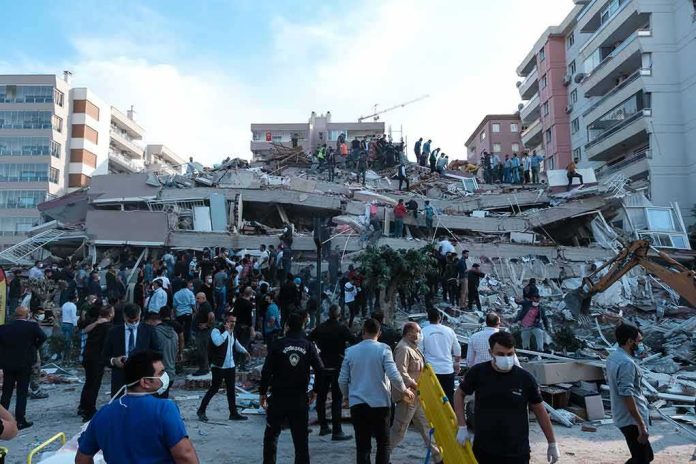
France 24 reported that in Odesa, residential buildings, a school, and a kindergarten were struck during the overnight attacks, illustrating the breadth of the impact beyond clearly defined military targets [5]. Another report highlighted hospitals and other infrastructure among the damaged sites, aligning with images of fires and shattered homes in later coverage [1][6]. These facts complicate the “retaliation” label by foregrounding civilian harm and non-military damage, which remain central to how international audiences interpret such strikes [1][5][6].
The cumulative pattern echoes Odesa’s wartime experience since February 2022. Historical summaries show the city repeatedly targeted by Russian shelling and cruise missiles, including strikes launched from warships offshore [2]. That history makes new barrages appear as part of a long-running campaign rather than a single tit-for-tat action. Without primary documentation tying specific Odesa targets to the Moscow drone episode, the retaliation argument rests on proximity, not verifiable operational causation [2][5].
What We Know, What We Don’t, And Why It Matters For The U.S.
What we know from the provided sources is straightforward: Ukraine struck Moscow with drones over the weekend, killing four; Russia then launched widespread overnight strikes that hit Odesa and other cities; civilians in Odesa were killed and injured; and homes, schools, and medical facilities sustained damage [5][1]. What we do not have in these materials is a direct Russian government statement or technical evidence proving the Odesa strike was ordered as a specific response to the Moscow raid, rather than part of ongoing operations [5][1].
Footage of yesterday's Russian Iskander-M ballistic missile strike on Odesa Oblast.
The missile struck a warehouse owned by the "MIGTRANS" cargo forwarding company, northwest of the city of Pivdenne. This facility was reportedly used by Ukraine as a drone assembly workshop.… https://t.co/Kx9WwFonQk pic.twitter.com/slSUAaJF7V
— AMK Mapping 🇳🇿 (@AMK_Mapping_) May 16, 2026
For Americans who value clarity and accountability, this matters. Labels like “retaliation” shape public opinion and policy debate, yet the available record here is heavy on sequence and destruction, light on documented intent. Responsible leadership recognizes the difference. With the United States facing inflation strains at home and pressing security priorities abroad, Congress and the administration should demand hard sourcing before accepting escalation narratives that risk deeper entanglement, higher energy prices, or expanded commitments without a clear, constitutional purpose [5][1][2].
Sources:
[1] YouTube – Ukraine: Russian strike on Odesa kills 2, hits hospitals and …
[2] Web – Odesa strikes (2022–present)
[3] YouTube – Russia Carries Out Massive Drone Attack on Odesa
[5] YouTube – Russia and Ukraine exchange overnight drone attacks
[6] Web – Video. Fires and damaged buildings after massive Russian …