

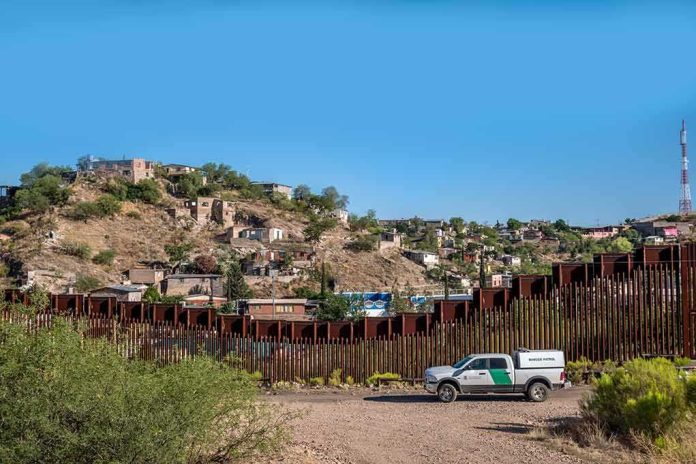
A federal judge halted Texas border-barrier work across Big Bend, spotlighting the power of waivers and the limits of executive speed in protected lands.
Story Snapshot
- A court order temporarily stopped barrier work across the Big Bend region.
- Homeland Security invoked sweeping legal waivers to fast-track projects.
- Border officials said plans focus on roads, sensors, and vehicle barriers, not a tall wall in the park.
- Plaintiffs argue the area is low traffic and that waivers sidestep vital protections.
What the Judge’s Order Does Right Now
U.S. District Judge Kathleen Cardone issued a temporary injunction blocking border-barrier work in and around Big Bend, including Big Bend National Park. The order pauses on-the-ground activity while the court weighs legal claims. News reports describe the halt as immediate and region-wide, affecting barriers, roads, and related work sites. An injunction does not decide the final outcome, but it signals the court sees serious questions about the government’s authority and process.
The pause follows months of rising conflict between federal agencies and local groups. Landowners, conservation organizations, and a preservation group tied to the historic Ruidosa Church have led the challenge. They argue the plan would damage sensitive habitats and cultural sites, and force changes to private land use. The court’s action gives both sides more time to present records about need, siting, and environmental impacts before heavy work advances further.
What the Administration Authorized — and What CBP Says It Is Building
The Department of Homeland Security published a Texas-wide waiver in July 2026. The waiver states the secretary determined it necessary to set aside certain laws to build barriers and roads quickly near the border. This authority is broad and controversial, but it has been used before for border projects. The notice does not lock in every local detail, which is part of what the court will review during this pause.
Customs and Border Protection leadership says the Big Bend effort is more limited than critics claim. Officials describe one new access road, upgrades to existing roads, detection technology, and vehicle barriers in specific spots. They say they are not building a thirty-foot wall or stadium lights through Big Bend National Park, the adjacent state park, or the nearby wildlife area. They also said recent activity in the park was survey and design work, not wall construction.
Why Opponents Say the Plan Overreaches
Opponents argue the region sees a small share of unauthorized crossings and that heavy infrastructure is not justified. They say the government labeled Big Bend a high-entry area to unlock sweeping powers without proof tied to this exact terrain. They also warn of lasting harm to fragile desert and river areas, and to cultural and historic sites on public and private lands. They contend the waivers sidestep bedrock environmental and cultural protections.
Local plaintiffs include landowners and groups who say barriers could cut ranches off from the Rio Grande and increase flood risks. They fear fragmentation of habitat and disruption of wildlife movement across the river corridor. They argue any plan inside a national park should go through a clear, site-specific process and full, public review. The court’s injunction suggests these claims are strong enough to merit a full hearing before work resumes.
Money, Scope, and Shifting Plans
Earlier this year the government awarded a contract worth about $1.7 billion tied to Big Bend work. Later agency statements framed spending around vehicle barriers, surveillance systems, and patrol roads rather than a continuous wall inside the national park. That shift reflects the administration’s effort to lower visible impacts while still pushing enforcement capacity in remote areas.
A federal court in Texas on Friday issued a ruling temporarily blocking the Trump administration from building a border wall and other infrastructure across the state’s Big Bend region.https://t.co/3TKLemS7WB pic.twitter.com/HbEyhNHus6
— WGNO-TV (ABC) New Orleans (@WGNOtv) October 3, 2026
As legal pressure mounted, officials told the court they were still refining routes and scope to reduce damage. Reports said a final decision on specific sites and methods was due before any ground-disturbing work began. That evolving posture may help the government argue it is listening and adjusting. It also fuels confusion in the public about what is happening on the ground and when construction actually starts.
What This Fight Says About Power and Process
This case captures a bigger national pattern. Washington uses fast-track tools to move security projects, while communities demand proof, transparency, and respect for protected places. Many Americans, right and left, see a system that cuts corners for the well-connected while ignoring local voices. When agencies change their message midstream, trust erodes. Courts then step in, not to set border policy, but to force the government to show its work and follow the law.
What to Watch Next
Watch for the administrative record the government files. That should show maps, alternatives, and why these exact segments are necessary. Look for any new data about crossings in the Big Bend corridor. Track whether the plan shifts further toward low-profile barriers, sensors, and patrol roads instead of tall fencing. And watch the judge’s next steps on the waivers, which could reset how quickly any border project can advance in protected lands.
Sources:
nypost.com, federalregister.gov, cbp.gov, cbsaustin.com, clickorlando.com, fox26houston.com