

Bruce Springsteen turned a Minneapolis law enforcement operation into a three-day musical crusade that ignited a firestorm between the White House and one of rock’s most vocal anti-Trump activists.
Story Snapshot
- Springsteen wrote, recorded, and released “Streets of Minneapolis” in 72 hours after federal ICE operations in the city
- The song condemns what Springsteen calls “state terror” and “King Trump’s private army,” memorializing two individuals killed during the operation
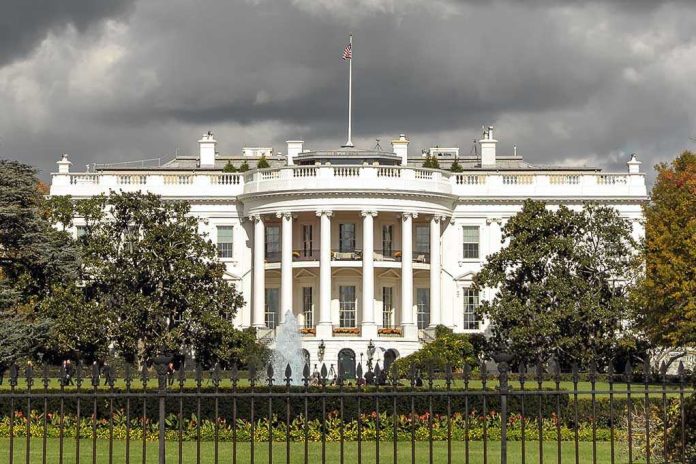
- The White House issued a sharp response to the protest anthem, escalating tensions between the administration and the rock icon
- The song’s rapid release timeline underscores Springsteen’s urgency to shape public perception of federal immigration enforcement
When Activism Masquerades as Journalism
Springsteen’s weekend sprint from songwriter to cultural warrior raises fundamental questions about artistic expression versus deliberate political agitation. He wrote the song on Saturday, recorded it Sunday, and released it Monday, a production timeline that suggests less about artistic inspiration and more about strategic media intervention. The rush to publish before facts emerge, before investigations conclude, before families process their grief reveals an artist more interested in narrative control than truth-seeking. This isn’t songwriting. It’s propaganda with a guitar.
The Inconvenient Absence of Verified Facts
Springsteen’s song names victims Alex Pretti and Renee Good, characterizes federal agents as terrorists, and accuses officials Kirstjen Nielsen and Kristi Noem of spreading lies about self-defense claims. Yet the available evidence provides zero independent verification of the circumstances surrounding these deaths. No medical examiner reports. No witness testimony beyond Springsteen’s artistic interpretation. No official law enforcement statements about what actually transpired. The song functions as prosecutor, judge, and jury, rendering verdicts before investigations can even begin. Americans who value due process and evidentiary standards should find this deeply troubling, regardless of their views on immigration policy.
Federal Law Enforcement Under Fire
The song’s lyrics paint ICE operations as racial profiling campaigns where citizens with black or brown skin face arbitrary questioning and deportation. Springsteen frames DHS agents as “King Trump’s private army,” language designed to evoke authoritarian imagery rather than describe legitimate federal law enforcement executing congressionally mandated duties. The Department of Homeland Security operates under statutory authority, enforcing immigration laws that have existed through multiple administrations. Characterizing these operations as “state terror” doesn’t just critique policy. It delegitimizes the entire framework of immigration enforcement and the dedicated professionals who execute it.
The White House Pushback
The administration’s sharp response to Springsteen’s protest anthem represents more than political theater. It signals recognition that cultural influencers like Springsteen wield substantial power to shape public perception of federal operations. When a figure with Springsteen’s platform releases inflammatory accusations without substantiation, the government faces a communications crisis. Remain silent, and the accusations metastasize into accepted narrative. Respond aggressively, and risk amplifying the original message. The White House chose confrontation, betting that Americans can distinguish between artistic license and factual reality.
What the Song Reveals About Modern Protest Culture
Springsteen dedicated his song to “the people of Minneapolis, our innocent immigrant neighbors.” The phrase “innocent immigrant neighbors” prejudges legal status, circumstances, and culpability before any investigation concludes. This represents a broader phenomenon in contemporary activism where emotional appeals replace factual inquiry, where victims are canonized before evidence emerges, where complexity collapses into simplistic oppressor-versus-oppressed frameworks. Americans deserve better than artists weaponizing tragedy for political points. They deserve investigations, transparency, accountability, and truth regardless of which narrative it supports or undermines.
The Unanswered Questions
What actually happened in Minneapolis during the winter of 2026? Were Pretti and Good innocent bystanders, participants in confrontations with federal agents, or something else entirely? Did federal agents use excessive force, or did they respond appropriately to threats? Were the enforcement operations targeting criminal aliens with deportation orders, or were they indiscriminate sweeps? Springsteen’s song answers none of these questions. Instead, it substitutes certainty for inquiry, accusation for evidence, and emotional manipulation for reasoned analysis. The families of the deceased deserve justice, not exploitation. Minneapolis residents deserve facts, not folk songs.
Sources:
Bruce Springsteen – Streets of Minneapolis – SiriusXM Blog