

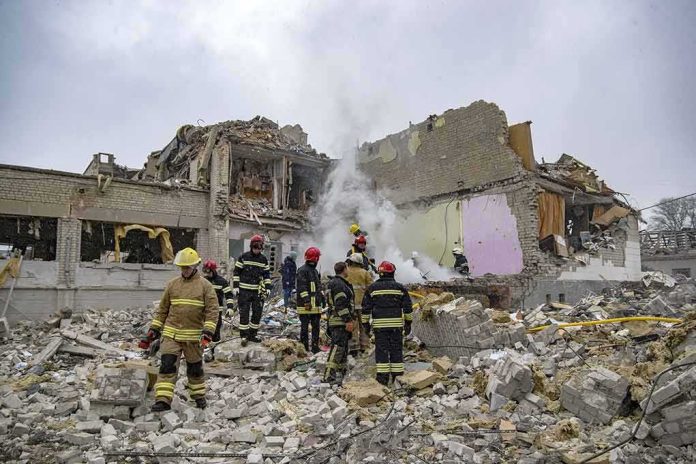
Conflicting death tolls and missing-persons counts out of Venezuela point to a far deeper crisis of trust and capacity as rescue teams race the clock after twin quakes.
Story Highlights
- Acting leaders declared an emergency and launched rescue protocols within hours of the quakes.
- Official counts vary widely, while modeling suggests far higher potential losses.
- International teams and U.S. service members joined large-scale relief operations.
- A $200 million fund was announced for hospitals and homes amid calls for transparent tracking.
Emergency Declarations And First Official Numbers
Acting President Delcy Rodríguez declared a state of emergency after the earthquakes and activated official response plans. Health Minister Carlos Alvarado reported early counts from hospitals, stating 164 dead and 971 injured on June 25. The National Assembly president later announced 188 dead, 1,520 injured, and 157 missing, with more than 200 still trapped. These figures gave an initial picture, but leaders warned totals could rise as search teams reached more sites.
United Nations coordination brought in search teams, heavy tools, and trained dogs. United Nations officials said more than 2,000 foreign rescuers from 27 countries and 160 dogs deployed to support local crews. Field snapshots by international coordinators listed 182 collapse sites by June 28, with 68 people found alive and 788 missing at those registered locations. These numbers spoke to the scale and pace of a complex, multi-city rescue effort still underway.
Rising Toll And Disputed Counts
Reports from different institutions show large gaps. Rights groups listed much higher death totals than early hospital counts. Major media and analysts warned that official numbers might be low, in part because they exclude people who died before reaching medical care. United States Geological Survey modeling projected deaths could reach into the thousands or more based on shaking, building failure, and exposure, raising concerns that the human cost is not yet known.
Officials inside Venezuela admitted data limits during the first days. The health minister said the tally came from hospitals only, not morgues or field burials. That method undercounts deaths during a fast-moving disaster. International snapshots confirmed hundreds of worksites and many missing people, but they verified far fewer than the large hotline reports. These gaps fueled public doubt and gave media more reason to question the official line.
American Help On The Ground
United States support arrived fast and at scale. United States Southern Command said about 2,000 American service members took part in relief work. Teams brought airlift, logistics, medical support, and search expertise. United States units often excel at this mission, moving supplies quickly and setting up command hubs. Their work helped get rescuers and gear to hard-hit areas and likely saved lives in the golden window after collapse.
American families also watched a sensitive case. Reports said more than 100 Venezuelan deportees may have been trapped in a collapsed government site in La Guaira. That case added pressure on both governments to share facts and speed access. Clear answers would help calm rumors and guide rescue priorities. Human life must beat politics every time, and rapid joint verification is the only sane path forward.
Money Promised, Accountability Demanded
Leaders announced an initial fund of 200 million dollars for hospitals and homes damaged by the quakes. That pledge meets a real need, but money without a ledger invites waste. Donors, doctors, and families deserve clear tracking of every project and receipt. A public dashboard of contracts, sites, and delivery dates would help rebuild trust. Honest audits align with basic conservative values: transparency, efficiency, and results for people in need, not for insiders.
#WeStandWithVenezuela | Twelve days after the June 24 earthquakes, Venezuela continues search, rescue, and recovery operations, extending efforts beyond the timeframe commonly referenced in international rescue guidelines.
Authorities say operations will continue as long as there… pic.twitter.com/WcyWvXTCkB— teleSUR English (@telesurenglish) July 7, 2026
Auditors should cross-check hospital records, morgue logs, and burial lists to set a true toll. United Nations databases could map every collapse site with counts for rescued and lost. Independent groups can help verify missing-persons lists against confirmed deaths. These steps are technical, but they are also moral. They give families answers, stop rumor mills, and direct aid where it will do the most good next week and next month.
Why The Numbers Do Not Match
Disaster zones with weak civil registries often report low early counts that climb later. This pattern showed up again in Venezuela. International models warned of heavy losses based on severe shaking, shallow depth, and vulnerable buildings. At the same time, restricted access and broken communications slowed validation. That mix explains the spread between official tallies, rights group figures, and modeled ranges. The fix is better data, not louder claims.
Conservatives know that truth needs structure. Clear roles, honest reporting, and strong logistics save lives. America’s help shows what order can do in chaos. The priority now is rescue, medical care, clean water, and safe shelter. The next job is to lock in audits, publish site-by-site data, and protect relief from graft. That is how you honor the dead, lift the living, and keep faith with taxpayers who expect accountability and results.
Sources:
insiderpaper.com, cnn.com, npr.org, news.un.org, facebook.com, reuters.com, newindianexpress.com, 24newshd.tv