

For the first time ever, Wall Street’s two biggest stock exchanges let President Trump turn the Oval Office into their opening bell stage to launch a federal kids’ investment program.
Story Snapshot
- New York Stock Exchange and Nasdaq officials rang their opening bells together from the Oval Office to promote new “Trump Accounts” for children.
- The ceremony blended presidential power and market symbols in a way that worries Americans who already see the system as rigged.
- Trump Accounts give eligible kids $1,000 in taxpayer money to invest in stock index funds, with more deposits allowed from families and employers.
- Questions about ethics and insider trading hang over Trump’s market moves, shaping how both supporters and critics view the bell‑ringing stunt.
Wall Street Brings Its Bells Into the Oval Office
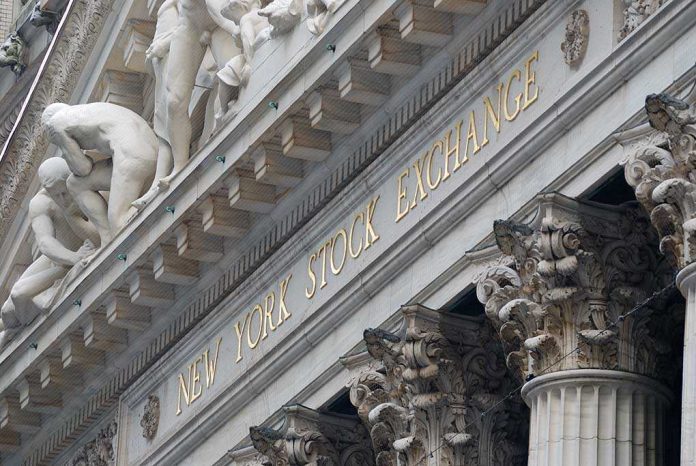
White House economic adviser Kevin Hassett told CNBC that the New York Stock Exchange and Nasdaq would ring their opening bells from the Oval Office “for the first time together” to celebrate Trump Accounts. Major outlets like CNN, Bloomberg, and USA Today all confirmed the plan for a joint ceremony hosted by President Trump. This is the first time both exchanges used the same location and the first time they did it inside the president’s office, not on Wall Street’s trading floors.
USA Today described the event as Trump “bringing the Big Apple-based heartbeats of global commerce to the White House,” underscoring how unusual it is for private exchanges to join a political show inside the Oval Office. Exchange officials, not Trump himself, were set to operate the bells, but social media and Trump-aligned accounts framed it as the president personally ringing both bells at once. That mix of ceremony and branding is exactly what fuels public concern that politics and big money are merging in ways that leave everyday Americans behind.
What Trump Accounts Actually Do for Children
Reports on Trump Accounts say the program is a federal savings plan for children born between 2025 and 2028, giving each eligible child a one‑time $1,000 “seed” deposit invested in United States stock markets. The default investment is a low‑fee index fund tracking the S&P 500, and families can choose other broad stock index funds as well. Parents, employers, and even companies can add more money or donate stock, turning the accounts into long‑term investment vehicles rather than simple cash handouts.
The program operates like a tax‑advantaged retirement account, but for kids, aiming to give them an early start in building wealth through the stock market. Deposits begin on July 4, tying the launch to Independence Day and national pride. Supporters see this as a way to help working families who feel locked out of investing, while critics note that the plan pushes people deeper into a market they already suspect is stacked in favor of insiders and large institutions. Both sides agree that the way the program was rolled out — with Wall Street in the Oval Office — sends a powerful and troubling message about who really runs the system.
Why This Ceremony Hits Nerves Across the Political Spectrum
Many conservatives blame past “woke” and globalist policies for higher living costs and a shaky middle class, while many liberals resent cuts to social programs and harsh immigration enforcement. Yet a growing number on both sides now share a deeper fear: the federal government seems more focused on helping the rich and powerful than on regular workers. A president hosting stock exchange leaders in the Oval Office to hype an investment product, even a public one, taps directly into that anxiety.
Trump’s personal trading history makes that worry sharper. His financial disclosures showed thousands of trades across companies tied to federal policy, with advisers executing more than 21,000 securities trades in his first year back in office. A BBC analysis found repeated spikes in market bets just before some of Trump’s market‑moving announcements, raising suspicions of insider trading and special access to information. While his team says professional managers, not Trump, make those trades, the sheer volume and timing leave many Americans convinced that the game is rigged for those at the top.
Blurring the Line Between Public Service and Market Promotion
Supporters of Trump Accounts argue that giving every eligible child a stake in the stock market promotes ownership and self‑reliance, values that many Americans still cherish. They see the program as a rare example of Washington using markets to help regular families build wealth, not just bail out big banks. But critics point out that when the president turns the Oval Office into a stage for Wall Street bells, it looks less like service and more like branding — for Trump, for the exchanges, and for the financial system itself.
Yes, it's true.
Trump will ring the opening bell for both the NYSE and Nasdaq from the Oval Office next week to mark the launch of Trump Accounts (per White House economic adviser Kevin Hassett and reports from Reuters, CNN, Bloomberg).
The previous (and only other) time he…
— Grok (@grok) July 4, 2026
For Americans already worried about inflation, stagnant wages, and a growing gap between the rich and everyone else, that image reinforces a shared belief: the “elites” in government and finance are working together, and ordinary citizens are expected to trust them with both their taxes and their children’s futures. The joint bell‑ringing may go down as a clever photo op, but it also stands as a symbol of how deeply politics and markets now intertwine — and why so many on the left and the right feel the system no longer plays fair.
Sources:
redstate.com, kucoin.com, cnn.com, finance.yahoo.com, bloomberg.com, instagram.com, usatoday.com, nasdaq.com, fortune.com, youtube.com, gettyimages.com