

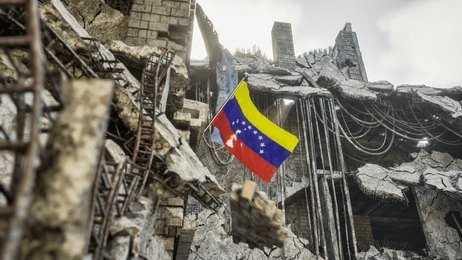
Jordan’s Civil Defense pulled a small child alive from Venezuelan quake rubble after six days, a rare win amid a disaster with few clear facts.
Story Snapshot
- Jordanian rescuers freed a toddler alive on day six after Venezuela’s earthquakes.
- Officials and footage confirm the rescue; the child was rushed to a hospital.
- Reports conflict on the child’s age, showing common gaps in disaster reporting.
- Sparse official data on the wider disaster keeps families and donors in the dark.
Rescue Confirmed By Officials And On Video
Jordanian Civil Defense said its team rescued a young child alive from a collapsed building in Venezuela on the sixth day after major quakes. Venezuela’s acting president, Delcy Rodríguez, also confirmed the rescue, naming the child as Klieber Morán and citing the site as a residential tower in La Guaira state. Video released by Jordanian authorities shows crews pulling a small child from concrete and metal, then moving him to medical care.
Reuters reported the boy was the only known survivor found that day, underscoring how rare such saves are after so much time. An agency report quoting Jordan’s Civil Defense said the child received first aid at the scene and was taken to a hospital right away. These steps follow standard quake response: stabilize the airway, stop bleeding, prevent crush injuries from worsening, and transfer fast when a safe route opens.
What We Know, And What Remains Unclear
Core facts are strong: a Jordanian team made the save; a child survived about six days under rubble; first aid and hospital care followed. One detail is inconsistent across outlets: some say he is three years old, while the British Broadcasting Corporation listed him as two. That mismatch does not change the rescue itself, but it shows how basic details can be shaky in crisis reporting when sources are scattered and fast-moving.
Key context is also thin. Reports do not give a firm overall death toll or full timeline for the twin earthquakes. Local and global outlets highlight the rescue but offer little on the broader damage, needs, or status of search efforts across the region. That gap leaves families guessing and slows smart aid choices. It also fuels the public’s view that officials share too little, too late, during major disasters.
Why This Matters Across The Political Spectrum
Americans on the left and right see a pattern: institutions struggle to give straight, timely facts when it counts. People donate, volunteer, and pray, but they need clarity on where help should go. When basic data like ages, dates, and casualty numbers conflict or lag, trust erodes. That is true in foreign crises and at home. Clear reporting saves time and money, and it can save lives when rescue windows are short.
JUST IN – Three-year-old rescued six days after Venezuela earthquakes: Jordanian civil defense
— Insider Paper (@TheInsiderPaper) June 30, 2026
This rescue also shows how international teams can cut through red tape and deliver results. Jordan’s crew arrived, worked within a crumbling structure, and got a child out alive. That is the kind of outcome citizens expect from any government response: skilled people on the ground, open information, and fast action. The public will forgive that not every detail is perfect on day one. They will not forgive silence, spin, or chaos when facts are available.
What To Watch Next
Look for an official, detailed bulletin from Jordanian Civil Defense with a timeline, team list, and equipment used. That can confirm the rescue window and methods. Watch for hospital updates on the child’s condition and verified age to resolve the two-versus-three issue. Seek a clear status report from Venezuelan authorities on casualties, damage, and remaining searches. Those updates would guide aid, prevent rumor spirals, and honor both victims and the rescuers who risked their lives.
Sources:
youtube.com, reuters.com, ynetnews.com, instagram.com, facebook.com